
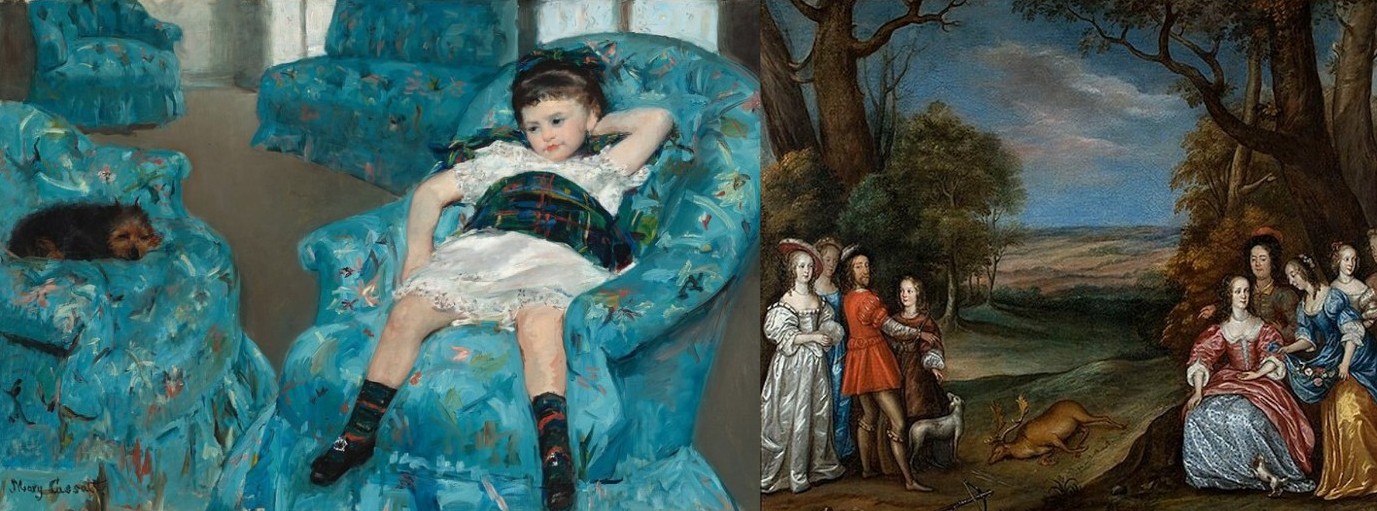

From Artemisia Gentileschi to Yayoi Kusama, these famous female painters shattered boundaries, redefined creativity, and changed the course of art history forever.
Famous female painters didn’t just create beautiful images—they challenged power, rewrote art history, and claimed space in a system designed to exclude them.
For centuries, the art world was dominated by men, yet women continued to paint, innovate, and redefine creativity against all odds. From Baroque pioneers and Impressionist rebels to modern and contemporary visionaries, these fifteen artists transformed how we see art, identity, and the human experience.
1. Artemisia Gentileschi (1593 – 1656)
A Baroque powerhouse and one of the first women to gain full recognition as a professional painter, Artemisia Gentileschi turned her pain into power. A survivor of personal tragedy and injustice, she rose to become the first female member of Florence’s prestigious Accademia delle Arti del Disegno.
Her dramatic works—like Judith Slaying Holofernes—depict strong, complex women and remain timeless symbols of female strength and resilience.

2. Joan Carlile (c. 1600 – 1679)
Often cited as one of England’s first professional female painters, Joan Carlile paved the way for women in portraiture. Her refined style and independent spirit helped carve a place for female artists in a field long dominated by men, proving talent and artistry could transcend social convention.

3. Mary Beale (1633 – 1699)
A pioneer of English Baroque portraiture, Mary Beale was one of the earliest women to make a living from her art. Known for her skill and business acumen, she supported her entire family through her painting. Her treatise Observations positioned her as not only an artist but also a teacher and advocate for women’s creative voices.
4. Louise Élisabeth Vigée Le Brun (1755 – 1842)
The celebrated portraitist of Marie Antoinette, Vigée Le Brun captured 18th-century elegance with vivid grace. Over her career, she painted more than 800 works and gained admission to multiple European art academies—an extraordinary achievement for a woman of her era. Her luminous portraits blend Rococo softness with Neoclassical poise, immortalizing the spirit of an age.
5. Rosa Bonheur (1822 – 1899)
A rebel in both art and life, Rosa Bonheur defied gender norms—earning the right to wear trousers so she could better study animals for her paintings. Her monumental works, such as The Horse Fair, displayed masterful realism and made her one of the most celebrated artists of 19th-century France. She was also the first woman awarded the Grand Cross of the Legion of Honour.
6. Berthe Morisot (1841 – 1895)
A founding member of the Impressionist movement, Berthe Morisot brought a delicate intimacy to scenes of domestic life and modern femininity. Her brushwork shimmered with light and spontaneity, standing shoulder to shoulder with contemporaries like Monet and Renoir. Today, she’s recognized as one of the key figures who shaped modern art.
7. Mary Cassatt (1844 – 1926)
An American in Paris, Mary Cassatt captured tender, deeply human moments between mothers and children, becoming the only American to exhibit with the Impressionists. Her works radiate empathy and intelligence, reflecting both her artistic brilliance and her advocacy for women’s independence and education.

Source: https://commons.wikimedia.org/wiki/File:Cassat_-_Blue_Armchair_NGA.jpg
8. Tamara de Lempicka (1898 – 1980)
The queen of Art Deco, Tamara de Lempicka painted sensual, geometric portraits of 1920s aristocrats and lovers. Glamorous and unapologetically modern, she redefined female sensuality in art, celebrating women as both subjects and creators of desire. Her bold, stylized aesthetic continues to influence fashion and pop culture today.
9. Louise Bourgeois (1911 – 2010)
A visionary of the subconscious, Louise Bourgeois used painting and sculpture to confront themes of family, trauma, and sexuality. Her work—deeply personal and psychologically charged—helped shape modern and contemporary art. Bourgeois proved that emotional truth could be as monumental as marble.
10. Mária Medvecká (1914 – 1987)
A national treasure of Slovakia, Mária Medvecká captured the soul of her homeland with poetic realism. Known for her vivid depictions of Slovak landscapes, traditions, and rural life, she brought warmth and dignity to everyday subjects. Medvecká’s art preserves a sense of cultural identity and emotional truth that continues to resonate across generations.
11. Frida Kahlo (1907 – 1954)
Frida Kahlo’s art was her autobiography—raw, symbolic, and fiercely honest. Transforming her pain into power, she created unforgettable self-portraits that explored identity, gender, and the human body. Her uncompromising vision made her a feminist icon and one of the most recognizable artists in history.

12. Georgia O’Keeffe (1887 – 1986)
The “Mother of American Modernism,” Georgia O’Keeffe transformed the way we see the natural world. Her close-up flower paintings and sweeping desert landscapes radiate sensuality and spiritual depth. A pioneer of abstraction, O’Keeffe opened new doors for women in modern art and became one of the most celebrated artists of the 20th century.
13. Yayoi Kusama (1929 – present)
The Japanese avant-garde icon Yayoi Kusama turned her inner world into infinite universes of dots, mirrors, and color. Her exploration of obsession, repetition, and mental health has made her one of the most influential living artists. Kusama’s immersive installations invite viewers to step directly into her boundless imagination.
14. Alma Thomas (1891 – 1978)
As the first Black woman to have a solo exhibition at the Whitney Museum of American Art, Alma Thomas brought joyful color and rhythm to abstraction. Her mosaic-like brushstrokes captured the energy of nature, music, and the cosmos, celebrating life through light and movement.
15. Jenny Saville (1970 – present)
One of Britain’s most powerful contemporary painters, Jenny Saville reclaims the female body from centuries of objectification. Her monumental, raw depictions of flesh and form challenge ideals of beauty and perfection. Saville’s fearless approach cements her as one of the defining artists of our time.
The legacy of these famous female painters who changed the world reaches far beyond museums and galleries. Their art reshaped cultural narratives, challenged power structures, and inspired generations of artists to claim space, voice, and visibility. As art history continues to evolve, their influence remains undeniable—proving that the world of art has always been richer, bolder, and more revolutionary because of women.


