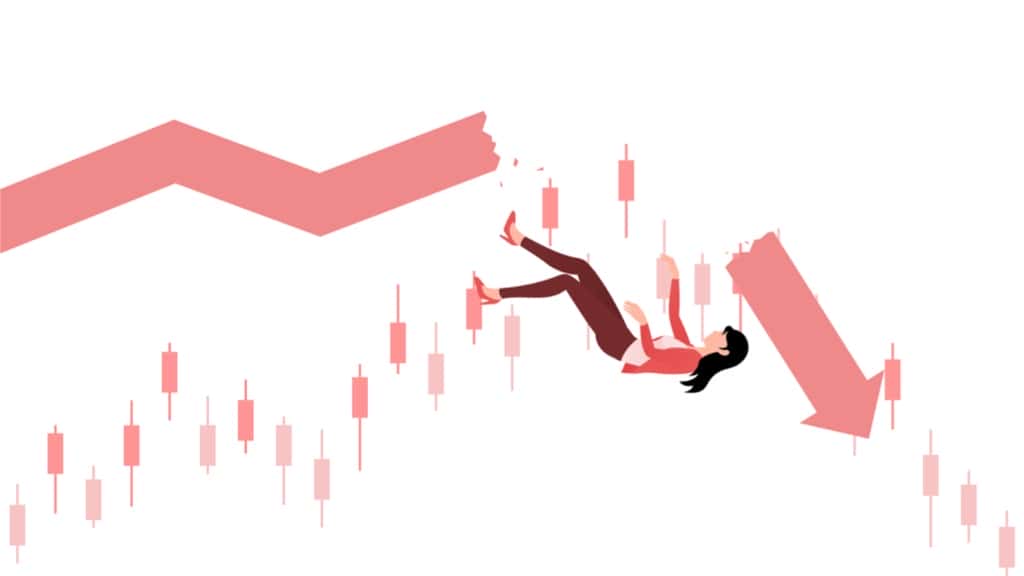


Across the EU, women earn on average 14.1% less per hour than men—equivalent to nearly two months of unpaid work each year. To highlight this gap and help empower women, the European Commission marks November 10 as the symbolic point when women effectively begin “working for free” until year’s end.
The inequality doesn’t stop there. Lower lifetime earnings translate into smaller pensions, even though women live, on average, five years longer than men—making financial independence an even more urgent issue.
-
Women Investing and Investing in Women
Global crises disproportionately affect women and highlight their need for passive income and financial independence. Investing protects women’s savings from inflation and prepares them for retirement and unexpected life events like loss of work, divorce, or health complications. Female entrepreneurs account for 37% of global GDP. Support of women owned businesses has been linked to inclusive economic growth and it is a prerequisite of reaching the 2030 UN Sustainable development goals. How can we support female investors, empower female founders and how should wealth managers adapt to more women playing the game?
-
Women, Value–Based Investing, and the Future of ESG
Did you know that women prefer value and impact-based investment, with 52% of women opting to invest in companies that have a positive social or environmental impact compared to 44% of men, according to a study carried out by Cerulli Associates?
Women care more about the values of the companies they invest in than the returns, often choosing to invest in the fields of health, education, and sustainability. How can we utilize women’s preference for value and impact-based investing to accelerate the transition to a more sustainable future and why is this transition not possible without them?
Save the date: 10. november 2022. Registration form here.