



In a world flooded with notifications, ads, AI-generated content, and endless scrolling, learning how to write a marketing email that truly captures attention has become more valuable than ever.
Not because it is louder. But because it feels human.
The truth is, human emails almost always win. People open emails that sound real, personal, and intentional. They respond to brands that communicate like actual people instead of marketing machines.
But authenticity alone is no longer enough.
We are living in an era of extreme speed and efficiency. Attention spans are shorter, inboxes are crowded, and readers decide within seconds whether something is worth their time. A great email today needs to capture attention quickly, sound natural, create curiosity, and still guide the reader toward action without feeling forced.
As a copywriter, email marketing has become a major part of my work. Over time, I have noticed clear patterns behind the emails people actually read, click, and remember. In this article, I will share both the psychology behind effective email marketing strategy and my own practical copywriting tips on how to write a marketing email that people actually want to read.
Why Email Marketing Still Works
For years, people have predicted the end of email marketing. Social media exploded, short-form video took over, and AI began generating content at massive speed. Yet email remains one of the most effective marketing tools available — largely because it still feels personal.
Unlike social media, where algorithms control visibility, emails arrive directly in somebody’s inbox. That direct connection matters. People choose to subscribe. They allow brands, businesses, and creators into a more private space, which naturally creates more trust and attention. In a digital world full of noise, email often feels calmer, more intentional, and more human.
It also gives businesses something increasingly valuable: an audience they actually own. Algorithms change constantly, but an email list remains yours. And while viral posts disappear quickly, strong email marketing builds something far more powerful over time — loyalty, recognition, and genuine connection.

What Is the Average Open Rate for Email Marketing?
Despite constant predictions about its decline, email marketing continues to perform remarkably well. Average email open rates across industries still typically range between 20% and 30% — proof that people continue paying attention to emails when they feel relevant, personal, and genuinely worth opening.
The Biggest Mistakes Brands Make in Email Marketing
One of the biggest mistakes in email marketing is trying too hard to sound professional. Many brands write emails that feel cold, overly polished, and corporate — and readers immediately disconnect from them. People do not want to feel like they are reading an announcement from a boardroom. They want communication that feels natural, clear, and human.
Another common mistake is overwhelming the reader. Too many offers, too much information, too many links. In today’s fast-moving digital world, attention is extremely limited. The most effective emails are often surprisingly simple. One clear message, emotion, goal.
As a copywriter, I also notice that many businesses focus on selling too quickly instead of building trust first. The strongest email marketing strategy is rarely about pressure. It is about connection, consistency, and making readers genuinely interested in hearing from you again.
How to Write Subject Lines People Actually Open
No matter how good an email is, it means nothing if nobody opens it. And in most cases, the subject line decides that within seconds.
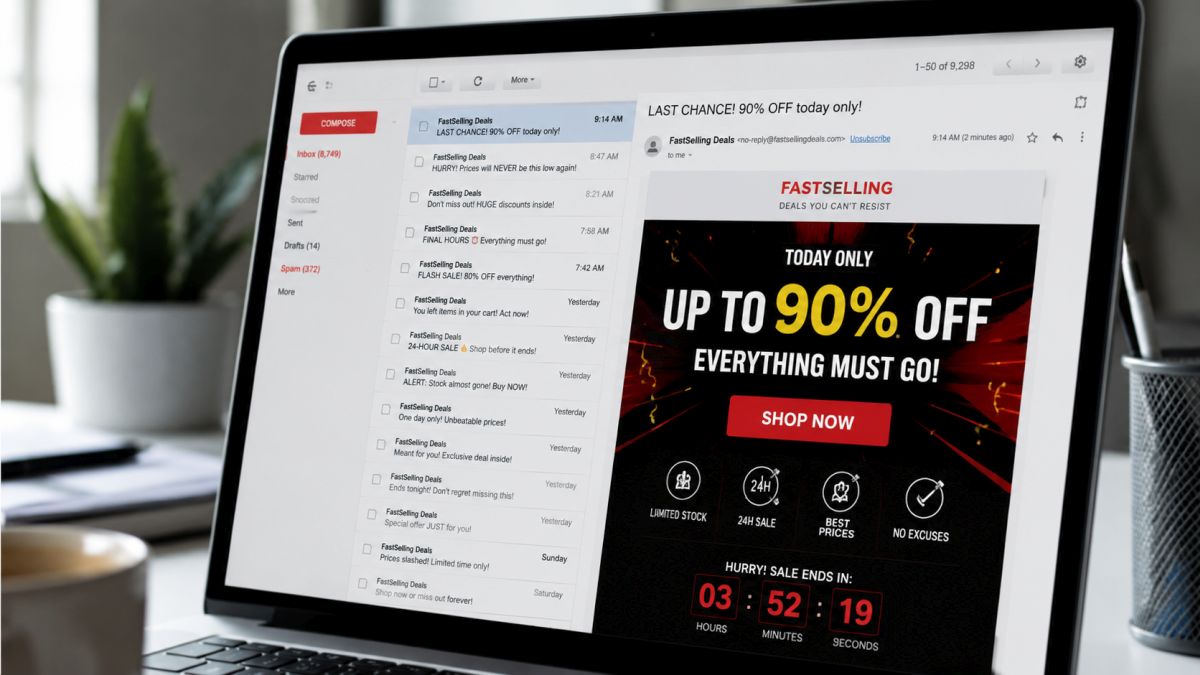
One of the biggest mistakes brands make is sounding overly aggressive or sales-driven. Subject lines written in all caps, filled with pressure or fake urgency, often create the opposite effect. Readers have learned to recognize clickbait instantly. Curiosity works far better than desperation.
The best subject lines are usually simple, specific, and slightly intriguing. Instead of trying to say everything at once, they create just enough interest to make the reader want more. Shorter subject lines also tend to perform better because they feel cleaner, faster, and easier to process in crowded inboxes.
A subject line should feel like the beginning of a conversation — not like somebody shouting for attention.
Examples of subject lines that spark curiosity:
- The marketing lesson I learned the hard way
- Would you open this email yourself?
- Three words that improved our open rates
- A surprising customer insight
- What happened when we stopped selling
- Are you trying too hard to sell?
The First Sentence Matters More Than Most People Think
Once somebody opens your email, the first sentence has one job: keep them reading.
This is where many emails lose people immediately. Long introductions, generic greetings, or unnecessary explanations slow the momentum down. In today’s fast-moving digital world, readers decide very quickly whether something feels worth their attention.
The strongest openings usually create emotion, curiosity, relatability, or tension right away. Sometimes a simple observation works better than a clever marketing line. Sometimes a direct sentence feels more powerful than a dramatic one.
As a copywriter, I often think of the first sentence as the “bridge” into the rest of the email. If it feels natural and engaging, readers continue almost automatically. If it feels forced or boring, they leave just as quickly.
- “What happened next changed the way I think about marketing.”
- “Yesterday, a customer asked me a question I couldn’t stop thinking about.”
- “I have a confession to make.”
- “Have you ever worked hard on something and watched nobody notice?”
A Quick Tip from Women in Action: Interested in the psychology behind customer communication and business growth? You may also enjoy our article Direct Mail Marketing: The Smart Comeback Strategy for Businesses to Grow Revenue, exploring why personalized, direct communication is making a strong comeback.
How to Write a Marketing Email People Actually Read
Over time, I have realized that the best-performing emails are usually the simplest ones. Clear writing, natural communication, and emotional intelligence almost always outperform overly complicated marketing tactics.
My personal email copywriting rules:
- Write like a real person, not like a corporation.
- Use shorter sentences. People scan emails quickly.
- Cut unnecessary words whenever possible.
- One email should have one clear goal — or two at most.
- Clarity is more important than sounding “smart.”
- Read every email out loud before sending it.
- Keep the tone natural and conversational.
- Use humor lightly and only when it feels appropriate.
- Avoid “screaming” subject lines full of exclamation marks or panic-driven language.
- Stay away from overly aggressive advertising words.
- Strong CTAs work better when they feel confident, not pushy.
- Make readers feel something before asking them to do something.
Why Human Emails Still Win in the Age of AI
AI has completely changed the way businesses create content. Emails can now be generated in seconds, optimized instantly, and personalized at massive scale. Used correctly, these tools can save enormous amounts of time and improve efficiency.
But there is also a growing problem: many emails are starting to sound the same.
Readers quickly recognize generic writing. Perfectly structured sentences mean very little if the message feels emotionally empty. That is why human communication still matters so much. Personality, intuition, humor, empathy, and real-life perspective are things technology still struggles to replicate naturally.
The strongest email marketing today is usually a combination of both worlds: using AI for speed and structure, while keeping the tone, storytelling, and emotional connection deeply human. Ironically, as inboxes become more automated, authentic communication becomes even more valuable.

Final Thoughts: Great Emails Build Relationships
Learning how to write a marketing email is not really about learning how to sell more aggressively. It is about learning how to communicate better. The brands, creators, and businesses people remember are usually the ones that make readers feel understood, interested, or connected — not pressured.
In a digital world built around speed, automation, and endless content, human communication is becoming a competitive advantage. Clear writing, emotional intelligence, and authenticity matter more than ever. And often, the simplest emails create the strongest results.
If you truly want to understand how to write a marketing email that people open, read, and respond to, focus less on tricks and more on connection. Because in the end, the best marketing emails do not feel like marketing at all — they feel like conversations.
This article focused primarily on the writing psychology behind effective emails. The technical side of email marketing strategy — from automation to segmentation and analytics — deserves a deep dive of its own.