
What does it take to become one of the greatest athletes of all time—across multiple sports, in an era that barely made space for women in competition?
Mildred Babe Didrikson Zaharias didn’t just enter the world of sports—she redefined it. From Olympic gold medals to dominating professional golf, her journey is a story of fearless ambition, constant reinvention, and extraordinary resilience.
Long before conversations about equality in sports became mainstream, she was already proving that talent has no boundaries.
Mildred “Babe” Didrikson Zaharias: Built Before the Spotlight
Long before she became a global icon, Mildred Babe Didrikson Zaharias was shaped by a life that demanded resilience. Born in 1911 in Port Arthur, Texas, to Norwegian immigrant parents, she grew up in a large, working-class family where discipline and effort were part of everyday life.
Her mother took in laundry. Her father worked multiple jobs. Nothing came easily—and that environment quietly built her competitive edge.
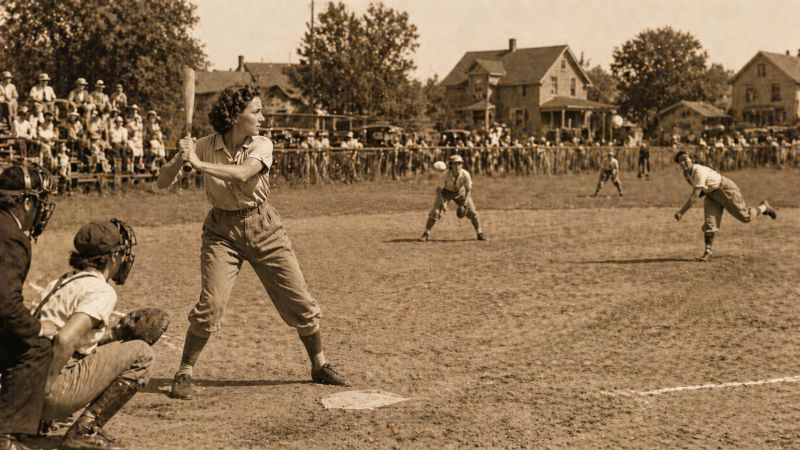
After the family moved to Beaumont, her energy found an outlet in neighborhood sports. Baseball quickly became a favorite, and after hitting a string of home runs, she earned the nickname “Babe,” inspired by Babe Ruth. It stuck—and so did her reputation for standing out.
By her late teens, she was already balancing work and ambition, playing on a company basketball team while holding a job. Those early years reveal something essential: her success wasn’t accidental. It was built on consistency, curiosity, and a willingness to push beyond what was expected—especially for women at the time.
Olympic Success and Career Pivot
At the 1932 Summer Olympics, she delivered one of the most remarkable performances in history. She won two gold medals in the javelin and 80-meter hurdles—both with world records—and took silver in the high jump after a controversial ruling.
At just 21, she had already reached the top. But instead of staying in track and field, she made a bold decision. She pivoted to golf—a move that would define the next chapter of her career.
Read also: Female Athletes Who Have Broken Barriers in Typical Male Sports
Golf Dominance and LPGA Legacy
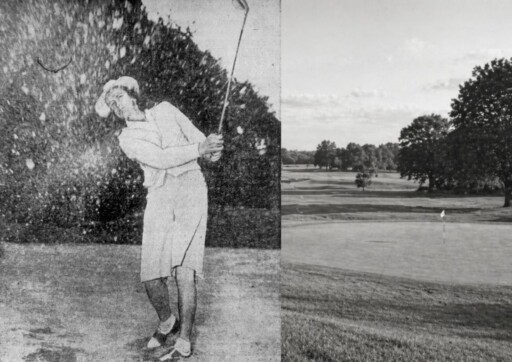
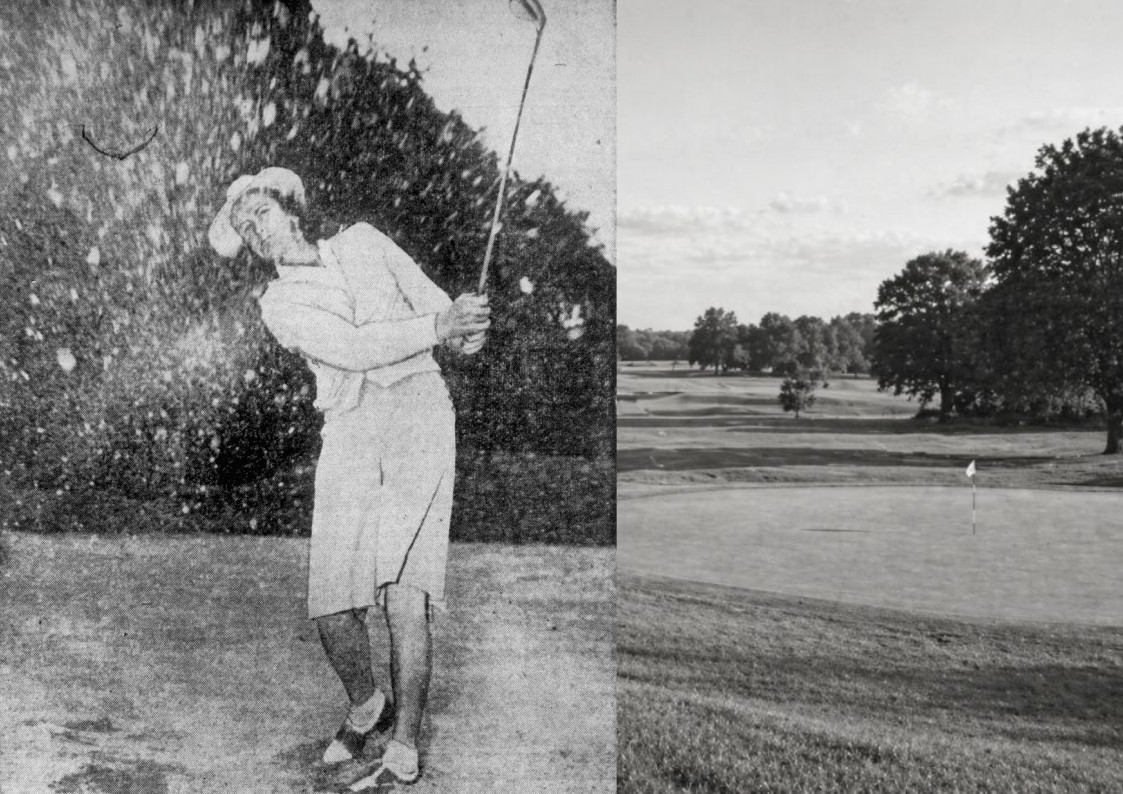
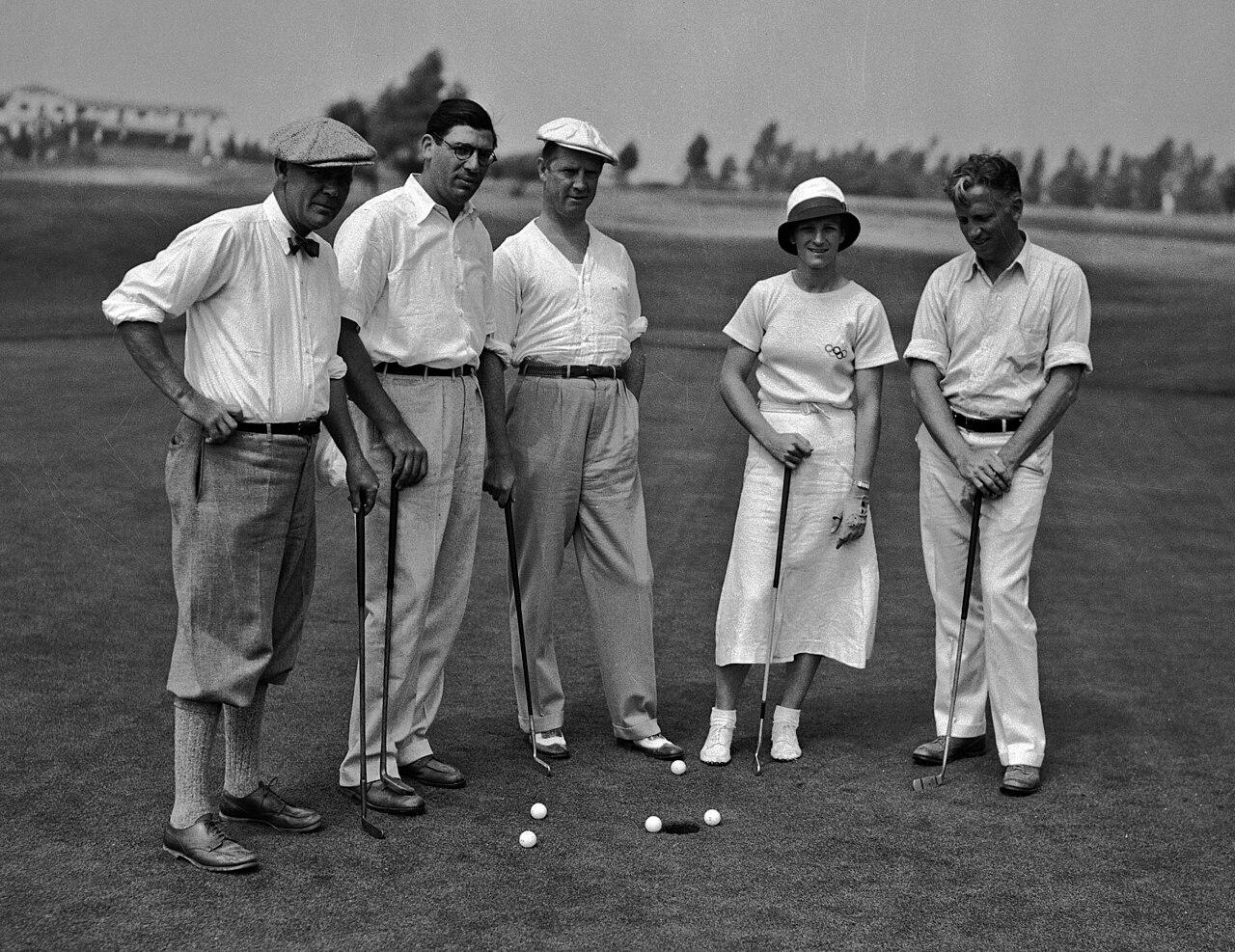
Her rise in golf was just as impressive. Over her career, she won 82 tournaments, becoming one of the most successful players in the sport.
At a time when opportunities for women were limited, she helped change the system itself. As a co-founder of the LPGA, she played a key role in creating a professional platform for female golfers.
Her success extended beyond competition. Through tournaments and endorsements, she became one of the highest-earning female athletes of her time—building not just a career, but a lasting legacy.
Resilience After Cancer Diagnosis
In 1953, at the height of her career, Mildred Babe Didrikson Zaharias was diagnosed with cancer.
The prognosis was serious, and the treatment demanding. Yet she approached it the same way she approached competition—with focus, discipline, and determination.
Just three months after surgery, she returned to the golf course. Soon after, she was winning again, including the U.S. Women’s Open.
It was more than a comeback. It was a powerful reminder of her resilience.
Tragically, despite her strength and determination, she eventually succumbed to the illness in 1956—leaving behind a legacy that continues to inspire far beyond the world of sport.
A Legacy That Redefined What’s Possible
The story of Mildred “Babe” Didrikson Zaharias is not only about talent—it’s about reinvention and late success.
She moved from track and field to golf. From athlete to pioneer. From champion to symbol of resilience.
What does that mean for us today?
- Reinvention is not a risk—it’s a strategy
- You don’t need to stay in one lane to succeed
- Starting over can lead to greater impact
- Resilience often defines the most important wins
Her journey reminds us that success is not fixed. It evolves—when we’re willing to evolve with it.