


Walk into a boutique and two nearly identical handbags sit on the shelf. One costs €60. The other costs €320. Strangely, many people instinctively trust the more expensive one.
This reaction is not irrational. It is psychology.
In business, premium pricing is rarely just about covering costs or increasing margins. It is a strategic signal. Price communicates quality, confidence, exclusivity, and even identity. When positioned correctly, a higher price can make a product feel more desirable rather than less accessible.
Understanding what is premium pricing in marketing begins with recognizing how deeply price shapes perception. Customers do not evaluate numbers in isolation. They interpret them through emotion, comparison, and subtle psychological cues.
That is where psychological pricing enters the picture. From charm pricing examples like €9.99 to deliberate choices such as pricing psychology ending in 7, brands carefully design numbers to guide how value is perceived.
Because in reality, price is never just a number.
It is one of the most powerful messages a brand can send.
What Is Premium Pricing Strategy — And Why It Works
At its core, premium pricing means positioning a product at a higher price to signal greater value. Instead of competing on discounts, brands compete on perception — quality, design, expertise, or exclusivity.
So, what is premium pricing strategy in practice? It is the intentional decision to price a product above competitors to strengthen brand positioning. In other words, what is premium pricing in marketing: using price itself as a message that communicates quality and confidence.
Several psychological drivers make premium pricing effective.
Perceived Quality and the Value Illusion
Perceived quality plays a major role. Customers often assume that a higher price reflects better materials, better performance, or stronger expertise. Researchers often describe this effect as the value illusion — a cognitive bias where people perceive higher-priced products as higher quality, even when the objective differences are minimal.
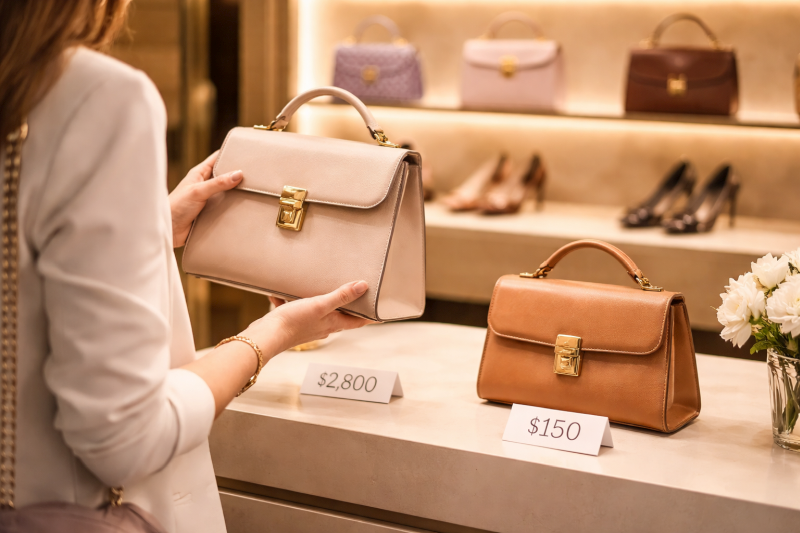
Status Signaling and Exclusivity
Status signaling also influences buying decisions. Premium products can communicate taste, lifestyle, or success. At the same time, exclusivity increases desirability — limited availability or careful craftsmanship makes a product feel more special.
Trust is another key factor. Brands that maintain premium pricing signal confidence in their offering. Companies like Apple Inc. have built strong customer loyalty by consistently positioning their technology as premium rather than affordable.
Luxury fashion houses, high-end skincare brands, and premium tech companies all rely on the same principle: price shapes perception.
Premium pricing is not random. It is deeply connected with psychological pricing techniques.

Premium Pricing and Psychological Pricing — How They Work Together
While premium pricing focuses on positioning a product as high value, psychological pricing focuses on how the number itself is presented. The two strategies often work together to shape how customers perceive value before they even experience the product.
Understanding psychological pricing means recognizing that consumers rarely process prices purely rationally. Small numerical details can influence whether a price feels affordable, luxurious, or strategically designed.
Pricing Psychology Magic Numbers and Charm Pricing
One well-known technique involves pricing psychology magic numbers. Certain numbers simply feel more attractive to buyers. The number 9 is often used to create the perception of a deal, while round numbers like 100 or 500 can signal confidence and premium positioning.
Another interesting tactic is pricing psychology ending in 7. In many online courses, digital products, and coaching programs, prices such as $47, $97, or $297 appear frequently. These numbers feel calculated and strategic, which can increase trust in the offer.
Classic charm pricing examples follow a similar logic. Prices such as $9.99 or €19.95 subtly appear lower than the next whole number, even though the difference is minimal. The brain processes the first digit more strongly, making the price seem smaller.
These small numerical choices may look insignificant, but they influence perception in powerful ways. That is why marketers often study psychological pricing examples and frameworks — sometimes even packaged as guides or a psychological pricing PDF used in marketing strategy.
When combined thoughtfully with premium pricing, these techniques help brands present their products in a way that feels both valuable and intentional.
Price Anchoring: The Reference Point Effect
Another powerful mechanism behind premium pricing is price anchoring. Customers rarely evaluate prices in isolation. Instead, they compare them with the first price they see.
Brands often introduce a very high-priced product to establish a reference point. Once this anchor exists, other products in the same range begin to feel more reasonable — even if they are still expensive.
Luxury car manufacturers frequently use this approach by launching flagship models with extremely high prices. These vehicles act as anchors, making the rest of the lineup appear more accessible while still maintaining the brand’s premium image.
When used strategically, price anchoring helps reinforce premium pricing by shaping how customers interpret value across an entire product range.
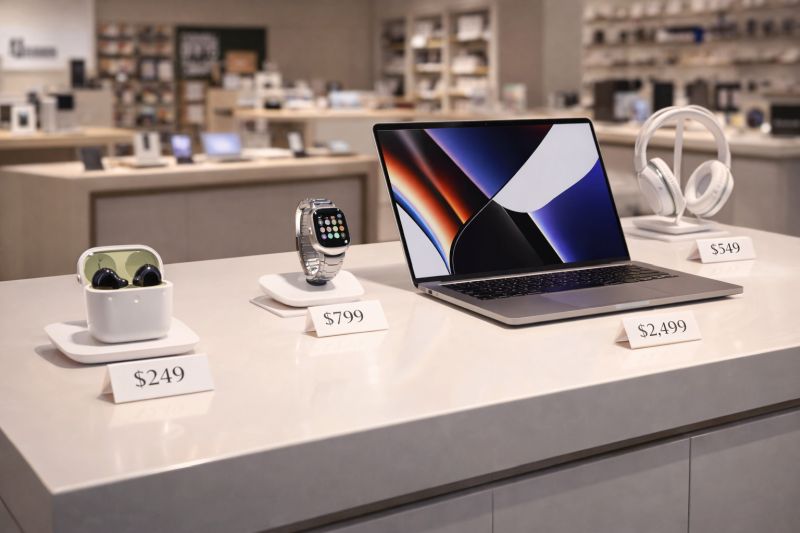
Psychological Pricing Advantages and Disadvantages
Like most marketing tools, psychological pricing works best when used thoughtfully. It can strengthen decision-making and brand perception, but it also requires careful positioning.
One of the main advantages of psychological pricing is its ability to increase conversions. Subtle price structures can make an offer feel clearer, more approachable, or strategically designed. When aligned with brand identity, pricing also supports storytelling — reinforcing whether a product feels accessible, smart, or premium.
Another benefit is its influence on subconscious decision-making. Customers rarely analyze numbers in detail. Instead, they respond quickly to patterns, familiarity, and perceived value, which is why many psychological pricing examples appear consistently across industries.
However, there are also important limitations to consider. One of the key psychological pricing advantages and disadvantages is that overuse can start to feel manipulative. When every product ends in .99 or follows the same pattern, customers may perceive the tactic as artificial.
Incorrect positioning can also reduce perceived value. For example, pricing structures that work well for mass-market products may weaken a premium brand image. Finally, not every audience responds the same way. Cultural context, purchasing habits, and brand expectations all influence how pricing is interpreted.
Successful brands combine pricing psychology with authentic value.
Premium Pricing Must Be Earned
A successful premium pricing strategy cannot rely on numbers alone. Higher prices must be supported by genuine value — quality materials, thoughtful design, expertise, and professional service.
Customers quickly notice when a product is simply overpriced without delivering a better experience. Instead of creating prestige, the strategy weakens trust.
True premium pricing works when perception and reality align. When businesses invest in real value, the price begins to feel not only justified, but expected.

Premium Pricing in Action: Famous Brands That Master the Strategy
The theory behind premium pricing becomes even clearer when we look at the companies that use it brilliantly. Around the world, some of the most recognizable brands have built their identity not on being cheaper — but on being unmistakably valuable.
Their prices are not accidents. They are carefully chosen signals.
Apple: Technology That Feels Worth the Price
When people buy an iPhone, they rarely expect it to be the cheapest option. The strategy of Apple Inc. proves how powerful premium pricing can be when combined with design, innovation, and a strong brand story.
Apple consistently positions its products as refined, intuitive, and forward-thinking. The result? Customers often wait in line for new launches despite the higher price.
Price becomes part of the experience.
Chanel: When Price Signals Prestige
Luxury fashion thrives on perception, and few brands demonstrate premium pricing more clearly than Chanel.
Its iconic handbags and fragrances are intentionally positioned at a higher price level. Instead of discouraging buyers, the pricing strengthens the sense of exclusivity and heritage.
For many customers, the price itself reinforces the feeling of owning something exceptional.
Tesla: Innovation With a Premium Edge
In the automotive world, Tesla, Inc. has used premium pricing to position electric cars as advanced technology rather than just eco-friendly alternatives.
Early models were priced significantly higher than traditional vehicles, yet demand continued to grow. Innovation, bold vision, and strong branding helped transform premium prices into a symbol of progress.
These examples reveal a simple truth: premium pricing works best when the product experience feels distinctive, confident, and thoughtfully designed.
How to Apply Premium Pricing Strategically
For entrepreneurs and growing brands, premium pricing is not about simply raising numbers. It is about building a perception of value that customers can immediately recognize and trust.
A thoughtful premium pricing strategy begins long before the price tag appears.
Build Value Before You Raise the Price
Customers must clearly understand what makes your product different. Expertise, craftsmanship, unique design, or exceptional service should be visible long before pricing is introduced. When value is obvious, premium pricing feels natural rather than surprising.
Invest in Brand Presentation
Visual identity, communication style, and customer experience strongly influence how price is perceived. Professional branding, elegant packaging, and consistent messaging help reinforce the feeling that the product belongs in a premium category.
Use Psychological Pricing With Intention
Small details in numbers can shape perception. Strategic choices such as pricing psychology magic numbers or carefully structured price endings can make an offer feel more deliberate and appealing. The key is consistency with your brand positioning.
Avoid Competing on Discounts
Frequent promotions can weaken a premium pricing strategy. Instead of lowering prices, focus on strengthening the perceived value of the offer through storytelling, expertise, and product experience.
Test and Refine Your Pricing
Pricing is not static. Customer expectations, market positioning, and brand maturity evolve over time. Successful companies continuously test, observe buying behavior, and refine their premium pricing approach.

Premium Pricing Is Ultimately About Perception and Value
At first glance, premium pricing may seem like a simple decision to charge more. In reality, it is a strategic tool that shapes how customers interpret quality, expertise, and brand confidence.
The most successful brands understand that numbers alone do not create value. True premium pricing works when strong positioning, thoughtful psychological pricing, and genuine product quality support one another.
When businesses focus on real value, professionalism, and a clear brand story, price stops being a barrier. It becomes a signal of trust.