
Some women feel they discovered their style naturally. Others spend years searching—trying trends, buying new clothes, yet still feeling that their wardrobe doesn’t truly reflect who they are. For many, the question isn’t just what to wear, but how to find your personal style in a way that feels authentic.
The good news? Personal style isn’t a secret reserved for a chosen few. It can be discovered gradually—once you understand what truly suits you, what makes you feel good, and what you want your clothing to express.
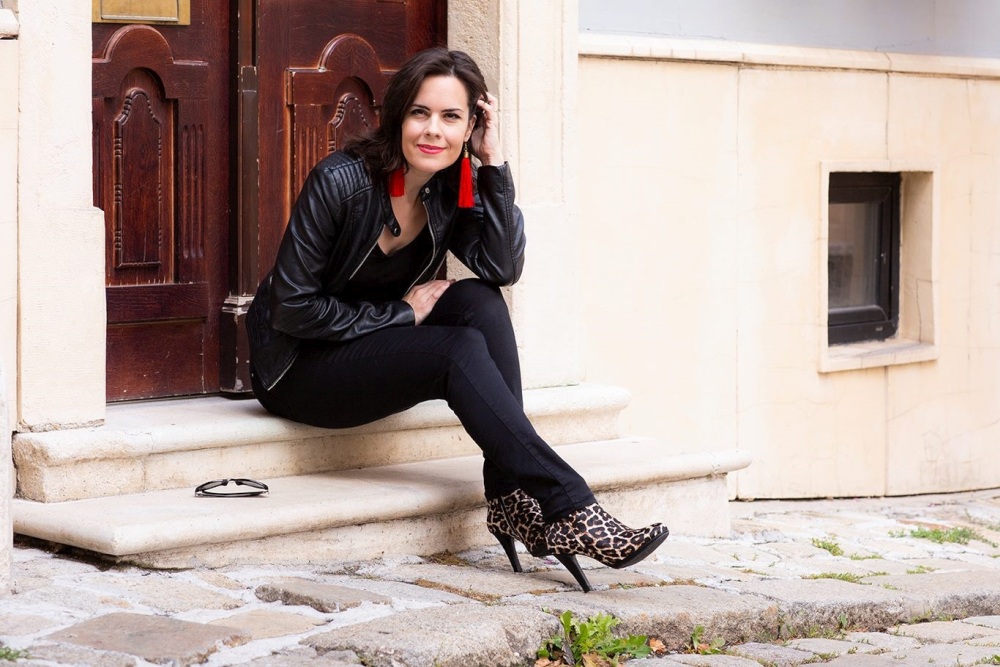
For practical advice, we spoke with Alexandra Vrábelová, a stylist who helps women find clothing that feels natural, confident, and authentic. Alexandra is also an editor at Akčné ženy magazine— the Slovak “Women in Action” magazine with a strong community that supports women in business, creativity, and personal growth.
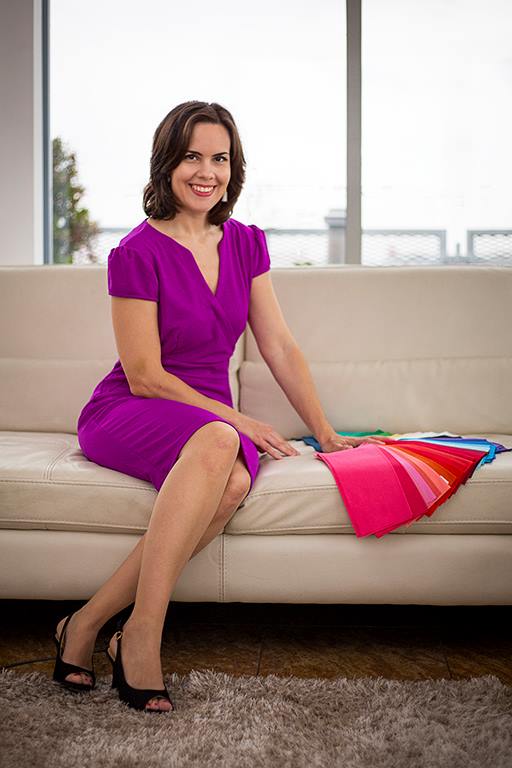
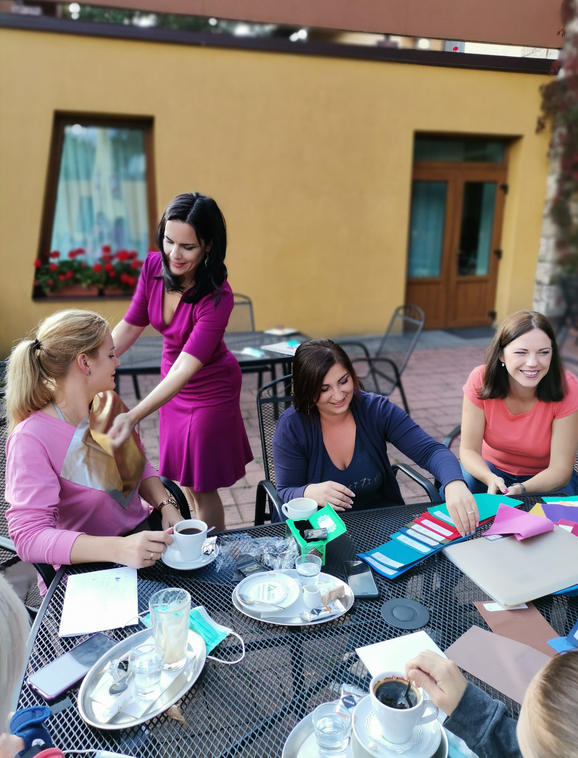
In this interview, we explore the essentials: how to begin, what to avoid, and which small steps can transform the way you see your wardrobe.
Practical Styling Advice: How to Find Your Personal Style
Many women feel like they “don’t have style.” Is this a real problem, or more about self-awareness and experimentation?
It’s difficult to choose just one style, because life brings different occasions that call for different outfits. Even if someone prefers a casual look, they’ll choose something more classic for a formal event or celebration.
Mood also plays a role. One day you may want to feel more feminine and reach for a skirt and heels; another day, when you’re in a rush, you grab jeans. In practice, most women are looking for something comfortable—casual, yet stylish, often with elements of classic or feminine (“lady”) style.
If someone wanted to start from scratch, what are the first three steps you would recommend?
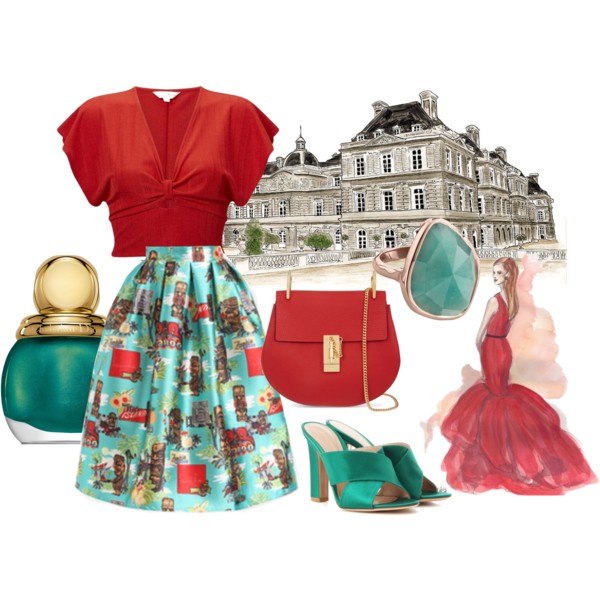
There’s a simple exercise: open your wardrobe and pick 5–6 items you feel best in. What do they have in common? Are they dresses or trousers? What materials dominate—cotton, denim? Do you favor certain colors or patterns? What type of shoes do you naturally choose?
For example, sneakers suggest a casual style, while heels point toward classic, feminine, or even glamorous looks.
The second step is understanding your body type and focusing on cuts that suit you. For instance, a pear-shaped figure may benefit from dresses.
The third tip is to choose a signature element—something that defines you. It could be distinctive glasses, a brooch, or bold rings. I know a woman who always wears blazers with brooches—it’s simple, but striking.
Style is often said to reflect personality. How can someone understand what their clothing communicates?
It helps to ask people close to you for honest feedback. Sometimes, you’ll also notice reactions from strangers. If people approach you or compliment your outfit, you’re probably expressing something well.
When no one notices you, you may be blending into the crowd—but that can also be intentional. If you don’t want attention, that’s perfectly fine. But if you want to communicate something different, you need to consciously choose colors, patterns, or silhouettes that support that message.
How much should people follow trends? Do trends help or create confusion?
Some trends are flattering and suit many women. However, others can be quite unflattering and are best avoided.
For example, “mom jeans” can create unappealing shapes around the hips and thighs. In the past, there were also trends like extremely dropped crotches in trousers. Oversized clothing or dropped shoulder seams can make the upper body look bulky.
There’s also a difference between how trends look on a tall, slim 20-year-old versus a woman over 40 who may want to balance her proportions. That’s why I recommend not relying too heavily on trends.
Many women have full wardrobes but still feel like they “have nothing to wear.” Why?
Often, they buy pieces that don’t combine well with what they already own. When purchasing something new, you should be able to pair it with at least three items in your existing wardrobe.
Another issue is having too many “statement pieces” that don’t match anything else. These items stand out because of color or pattern, but are hard to combine.
Or simply having too many clothes—so much that you forget how you styled them before. In some cases, it helps to take photos of complete outfits.
Does personal style change across different life stages—such as starting a business, becoming a mother, or changing careers? How do these transitions influence the way women dress?
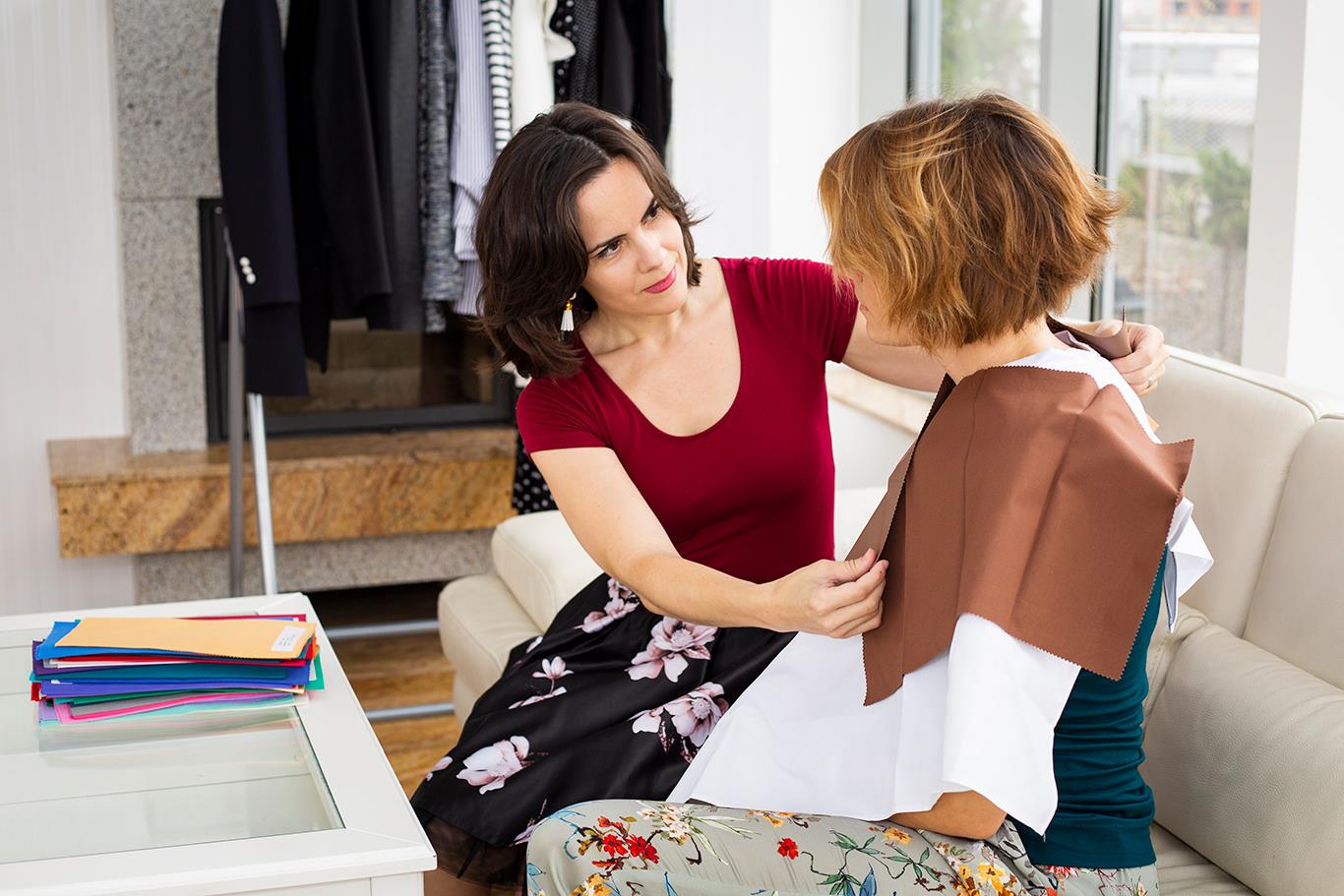
Absolutely. Many women reach out during life transitions—after maternity leave, for example, when they’re preparing for job interviews and want to look polished.
It’s important to consider body changes and let go of pieces that no longer serve you. I don’t believe in constantly replacing your wardrobe, but for more formal careers, it’s worth investing in a few high-quality essentials.
How can someone look professional while staying authentic?
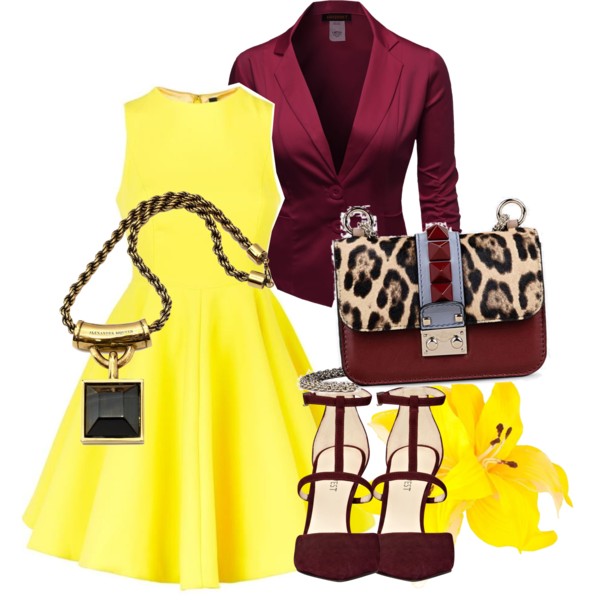
Even a casual outfit can be elevated with a classic element. For example, adding a blazer to trousers can instantly create a more polished look.
Accessories also make a big difference. Choosing elegant shoes or a structured handbag in neutral tones can transform an outfit without losing your personal style.
What role does confidence play in personal style, and how can clothing influence the way a woman feels in different situations—whether in everyday life, at work, or during important moments like job interviews?
A huge one. When a woman wears beautiful, high-quality clothing, it shows.
I experience it myself—when I rush out with my kids and quickly throw something on, I later feel a subtle sense of dissatisfaction. But when clients take the time to dress well and do their makeup, you can see their confidence grow—especially in situations like job interviews.
Bonus question:
How would you describe your own style in three words?
Modern, feminine, colorful.
It’s shaped by how I feel at my best. I aim to balance looking attractive and put-together with being able to function comfortably throughout the day—whether I’m traveling to a client or out shopping.
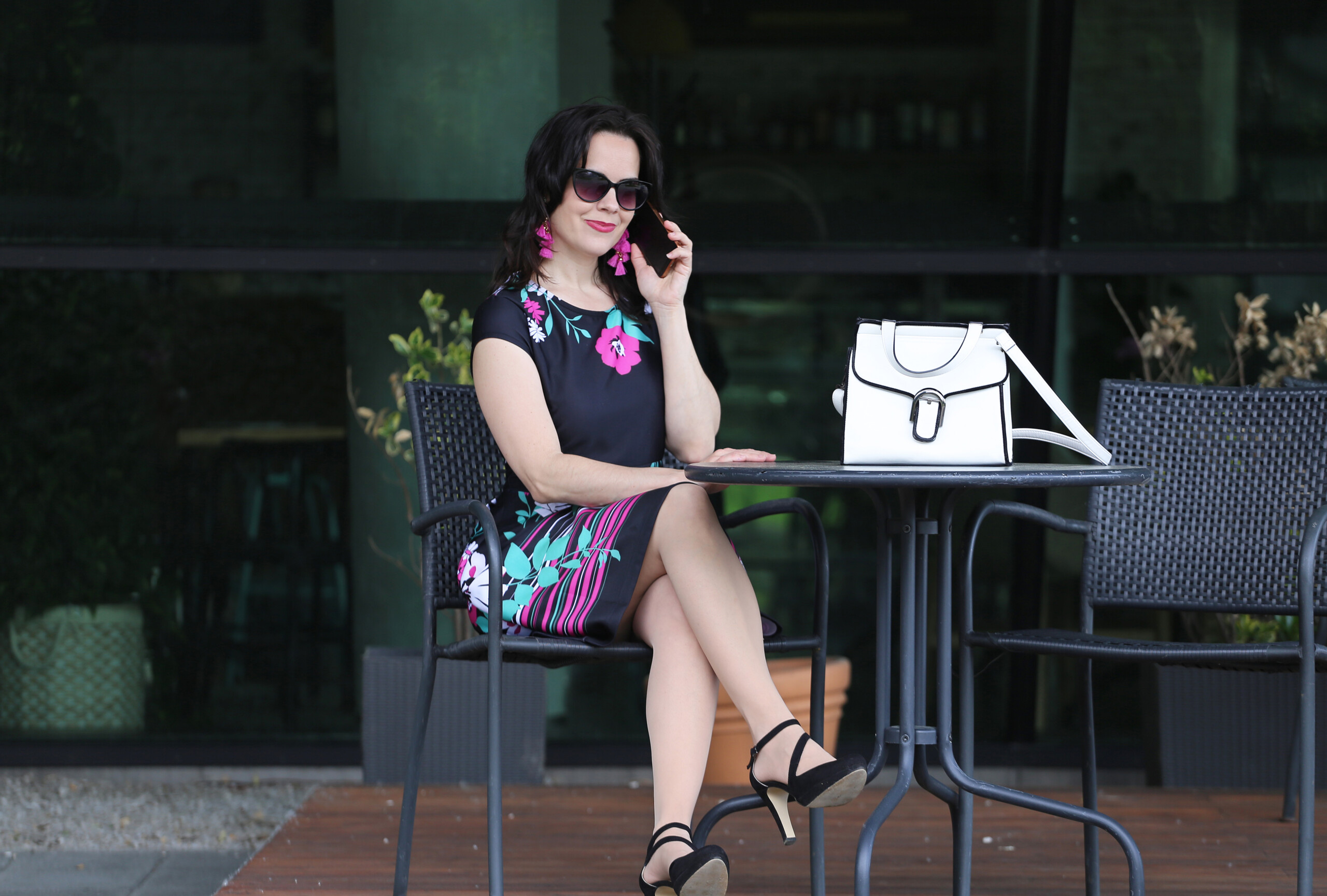
Finding how to find your personal style doesn’t have to be complicated—Alexandra has already helped many women discover what truly works for them. No matter your profession or lifestyle, it is absolutely possible to feel confident and comfortable in your outfit every single day. The key is to start small, stay intentional, and trust that your personal style will evolve with you.