



A girl who learns to recover after a missed shot may also be learning how to handle future setbacks. Simply staying in the game can develop skills that continue to matter long after the final whistle.
The 2026 Girls Who Play Change the Game study, conducted by e.l.f. Beauty and Parity, gathered insights from more than 9,500 respondents across the United States, Canada, Germany and the United Kingdom. It found a strong connection between playing sports while growing up and women’s confidence, career advancement and leadership. Girls do not have to become professional athletes to benefit—the experience of participating itself can teach lessons that last a lifetime.
What the Numbers Reveal About Sport and Success
The numbers reveal a clear pattern. Women who played sports for at least three years while growing up were nearly 50% more likely to hold leadership roles than women who played little or no sport. They were also 37% more likely to aspire to senior leadership or a board-level position.
Their confidence appeared in practical career decisions, too. Everyday Athletes, as the report calls them, were nearly 25% more likely to have negotiated their salary. Among those who had earned a promotion, almost 90% said that a skill learned through sport had helped them advance.
The influence can last well beyond the first years of work. 69% of Everyday Athletes with at least five years of professional experience said the lessons they gained through sport are more important than ever in today’s workplace.
The findings show a strong correlation rather than proving that playing sports directly causes career success. Still, the pattern across the study suggests that sport can provide an important environment in which girls practise qualities that later matter at work.
What Sport Teaches Beyond the Classroom
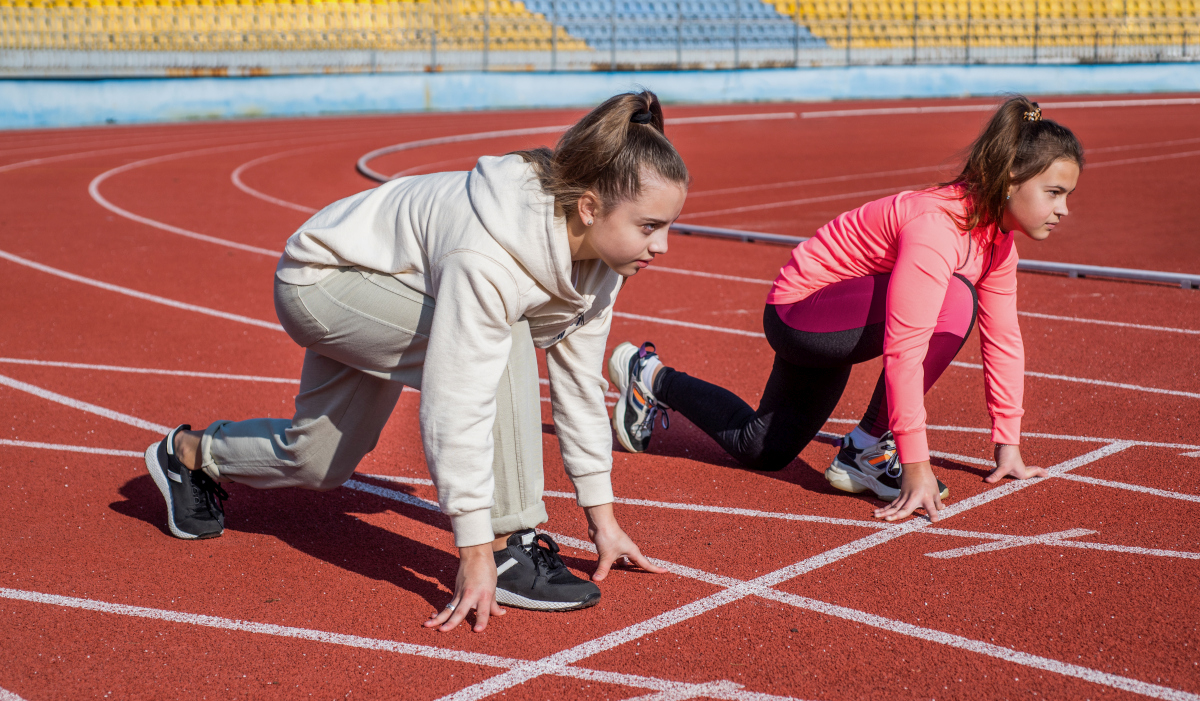
Sport places girls in situations where they must make decisions, cooperate with others and keep going when the result is disappointing. These experiences turn valuable career skills into habits.
Recovering After a Setback
A lost match or missed opportunity teaches girls that one result does not define their ability. Later, that resilience can help them respond to rejected ideas, difficult feedback or unsuccessful business decisions without giving up.
Acting Before You Feel Completely Ready
Athletes learn to perform while nervous, make decisions under pressure and trust their preparation. At work, the same confidence can help women speak in meetings, present ideas and accept challenging opportunities.
Working Toward a Shared Goal
Being part of a team requires communication, responsibility and respect for different strengths. These are also qualities women need to manage projects, build businesses and lead people effectively.
Advocating for Yourself
Sport teaches girls to claim space, communicate what they need and recognise the value of their contribution. This may help explain why the women in the study who played sports were nearly 25% more likely to have negotiated their salaries.
More Girls Are Staying in the Game, but the Gap Remains
There are encouraging signs of progress. Among Gen Z women who started playing sports, 70% continued until the end of secondary school, compared with 62% of Baby Boomers.
Yet girls still participate in sports at lower rates than boys across all four countries included in the study. Cost, limited opportunities, social expectations and a lack of confidence or visible role models can all push girls out of sport too soon.
Helping girls stay involved is therefore about more than physical health. It gives them more time to practise persistence, teamwork and self-belief—qualities that can strengthen their future careers.
What If You Did Not Play Sports?
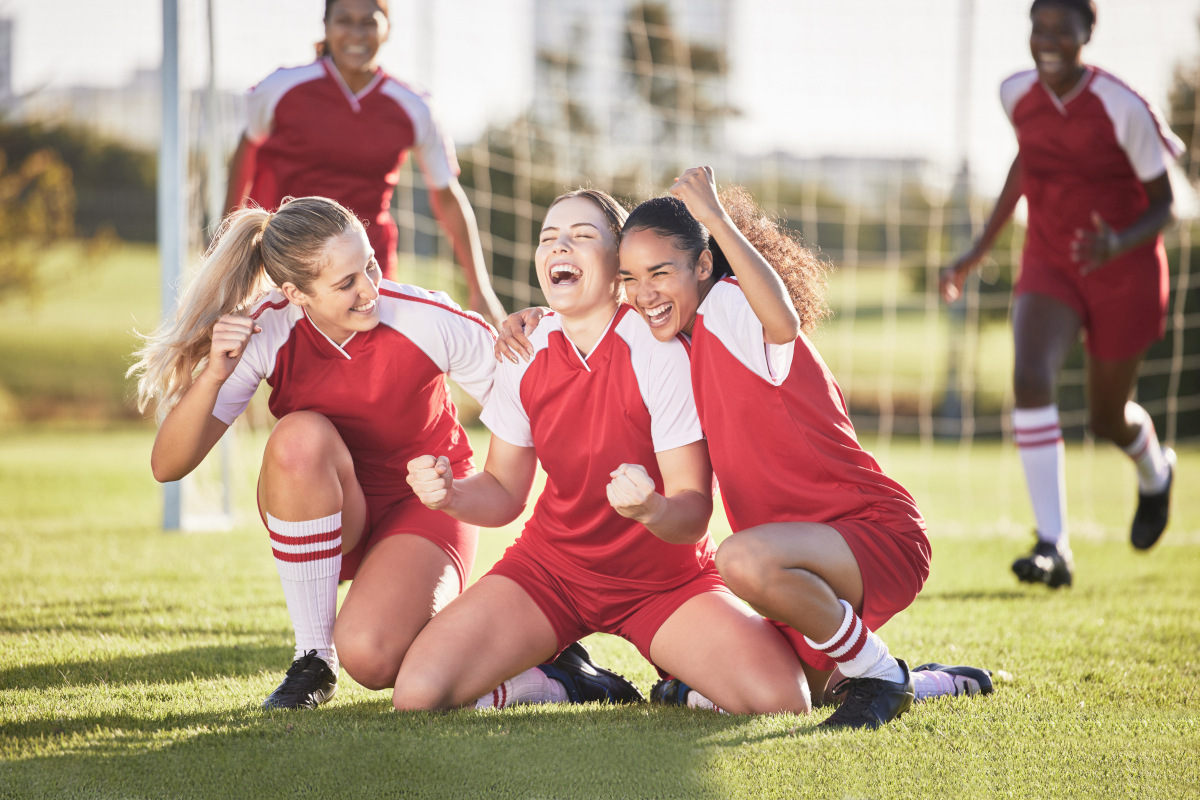
Not playing sports as a girl does not place leadership or career confidence out of reach. The qualities associated with sport can be developed at any age. You can join a recreational team, work toward a challenging fitness goal, practise receiving feedback or take on a role in which others depend on you.
The study shows what sport can help women learn, not what women without sporting experience lack. Resilience, teamwork and the courage to speak up are skills—not fixed personality traits. Wherever you begin, every challenge is another opportunity to practise them.
You may not have learned these lessons on a playing field, but you can still choose to step forward, trust your preparation and stay in the game.