
Protecting wildlife is not only about saving animals — it is about courage, persistence, and the willingness to challenge deeply rooted systems.
Through her work with WildAct, Dr. Trang Nguyen has become one of the leading voices in wildlife conservation in Vietnam and beyond. By combining education, research, and hands-on fieldwork, she is helping shape a new generation of conservation leaders.
In this interview, she shares her journey, the realities behind protecting endangered species, and what it truly takes to create lasting change.
In Conversation with Dr. Trang Nguyen: Protecting Wildlife and Inspiring Change
Can you take us back to the moment when you first realized wildlife protection would become your life’s mission?
When I was 8, my neighbor had a huge cage in their yard. I could always hear growling and crying sounds coming from inside. One day, I peeked through and saw a large black bear lying on its back, with its legs tied up. A huge needle had been inserted into its body to extract bile.
That image haunted me. As an eight-year-old child, I felt guilty and heartbroken. I promised myself that when I grew up, I would never let people hurt bears, or any other animal. I didn’t really know what conservation work meant at that age but I knew I wanted to work in wildlife conservation.
I started learning more through environmental documentaries on VTV2, and later through channels like Discovery and BBC. When I told people about my dream, most of them thought it was just a childish fantasy. But eventually, I studied Biology at Hanoi – Amsterdam High School, received a scholarship to study conservation in the UK, and completed my PhD in Biodiversity Management at University of Kent in 2018.
I worked on conservation projects across Africa and Asia, researching wildlife consumption and participating in undercover work against illegal wildlife trade. Later, I returned to Vietnam and founded WildAct, where we focus on conservation through people, helping local communities build sustainable livelihoods so they can become part of protecting nature.
Growing up in Vietnam, what experiences shaped your connection to nature and wildlife?
When I was small, I have always been close to nature, as my parents were very busy and I grew up spending time with my granddad. He would let me be out in nature, catching tadpoles, watching butterflies and climbing trees. I believe my love for nature started then.
When I was 14, I called a hotline to ask if there is any wildlife conservation organisation where I can come and volunteer. They told me there are no organisations registered as such, but there is a wildlife rescue center in Sóc Sơn – Hà Nội. So, I wrote them a handwritten letter asking if I could visit, and took the bus there by myself.
That letter made such an impression that the director of the rescue center still remembers me to this day.
What inspired you to found WildAct, and what was your vision at the very beginning?
The biggest motivation for me to found WildAct was that I honestly never know how much time I have in life. I was diagnosed with cancer when I was 23, so I wanted to do something truly meaningful while I still could.
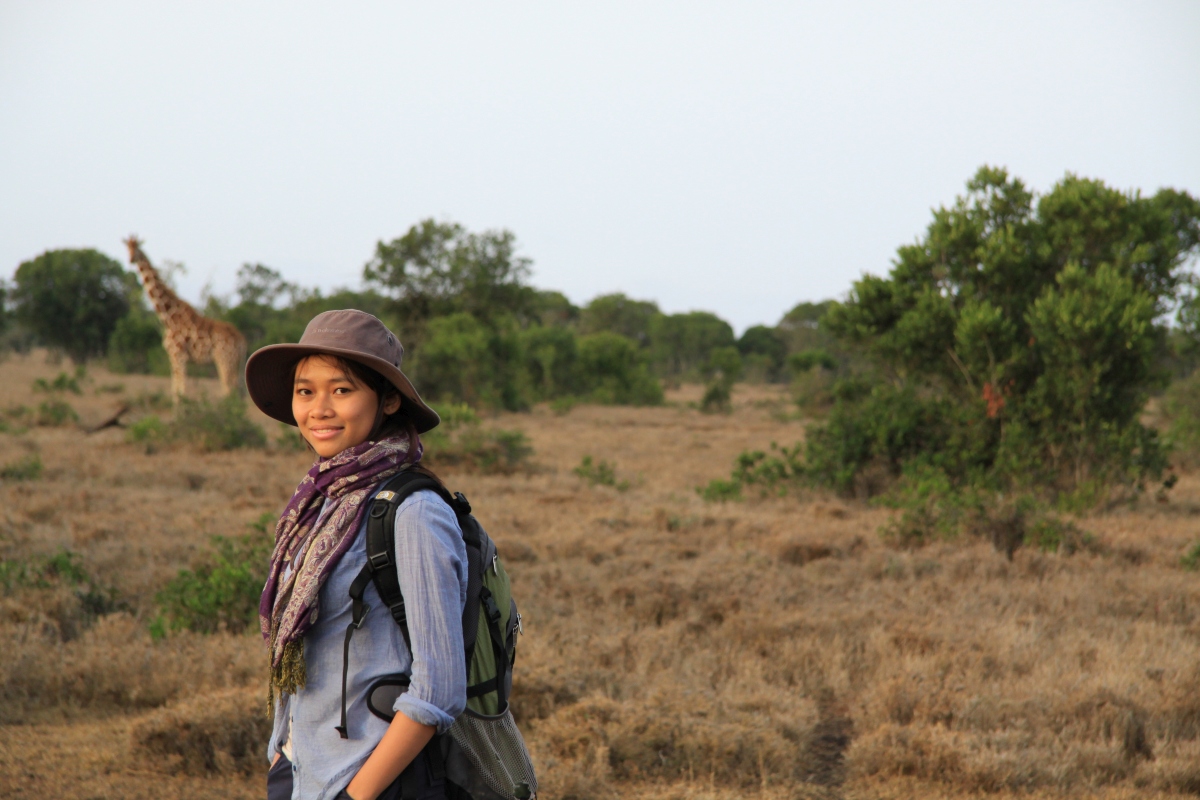
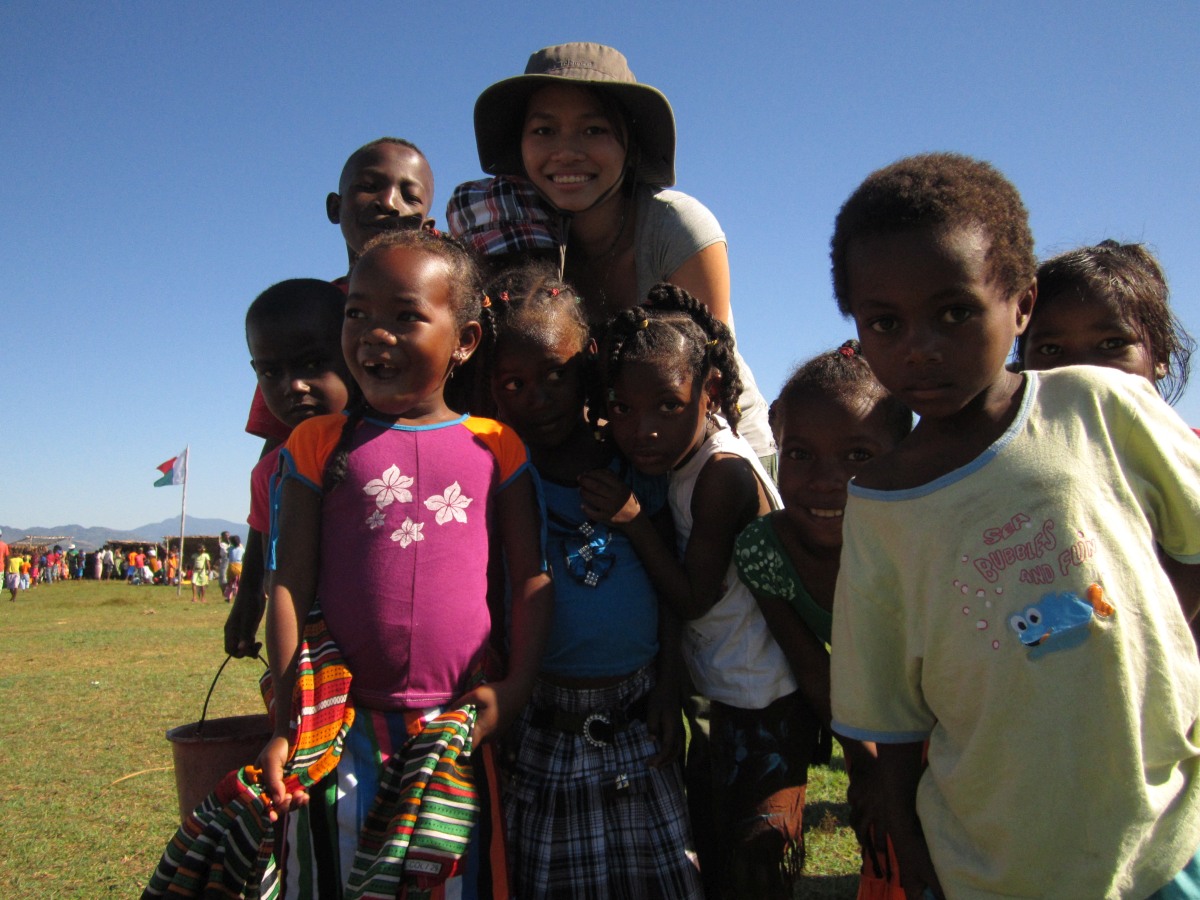
Coincidentally, during my fieldwork in Madagascar, I realised that doing academic research is important, but it’s much more important to turn research into informed conservation practice on the ground.
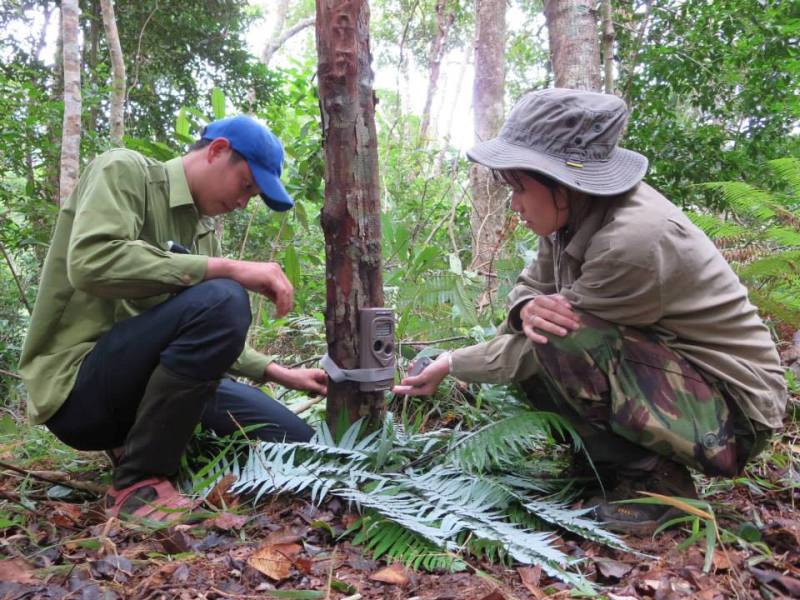
That is why from the very beginning, WildAct has been very focused on the evidence-based approach, and our activities are built around helping local people by creating sustainable livelihoods. We also began focusing on education and training to improve capacity for conservation.
Starting an organization is never easy. What were the biggest challenges you faced in the early days?
Starting an organization in conservation was never just about protecting wildlife—it was about navigating a system that isn’t always built to support that work.
One of the biggest challenges in the early days was credibility. As a young, local organization, we had to constantly prove that we were not only passionate, but capable of delivering real impact—whether to authorities, partners, or communities.
Other major challenges such as working in a space where policy and reality don’t always align. Many decisions are made far from the field, while on the ground, communities are dealing with very real pressures like poverty and lack of alternatives. Bridging that gap takes time, trust, and continuous effort—and it’s something we are still navigating today.
Of course, there was also financial uncertainty—trying to build something sustainable while constantly thinking about funding, growth, and how to retain people without compromising our mission.
But perhaps the most important shift was realising that conservation cannot succeed without people. That meant moving beyond a traditional enforcement approach and investing in community-led solutions—something that is more complex, slower, but ultimately more sustainable.
And to be honest, many of these challenges didn’t just exist at the beginning—they are still part of the work today. But they’ve also shaped how we operate: grounded in reality, driven by communities, and focused on long-term impact rather than quick wins.
Wildlife conservation often involves difficult and sometimes dangerous situations. What has been one of the most challenging moments in your work?
One of the most challenging moments in my work wasn’t a single incident, but a realization that kept repeating itself in different forms. It was the moment I understood that many of the people involved in wildlife crime are not the villains we often imagine. They are often people living at the edge: facing poverty, limited options, and constant uncertainty.
I remember being in the field, seeing the impact of illegal hunting: empty forests, traps everywhere, and at the same time sitting with community members who knew it was wrong, but didn’t see another way to survive. That tension is incredibly difficult. Because you’re not just dealing with a conservation problem: you’re dealing with a human one.
There are also moments that carry real risks: working in remote areas, engaging with sensitive issues like illegal trade, or navigating complex local dynamics. But honestly, the hardest part is not the physical danger. It’s the emotional weight of knowing that even when people care, the system around them doesn’t always allow them to make better choices.
That’s what pushed us to rethink our approach: to move beyond enforcement, and focus on creating alternatives, building trust, and working with communities rather than against them.
Because in the end, conservation is not just about saving wildlife, it’s about changing the conditions that make wildlife exploitation possible in the first place.
Your work focuses strongly on education and training. Why is investing in people so critical for long-term conservation?
Because in the end, conservation is not just about protecting wildlife, it’s about people making better decisions over time. You can have the best laws, the best tools, the best funding, but if there aren’t enough people who are well-trained, committed, and empowered to act, those efforts won’t last.
In Vietnam, we face a very real gap. Despite being one of the most biodiverse countries in the world, we still lack a formal, dedicated pathway to train conservation professionals at a high level. Many people enter this field through fragmented experiences: short courses, internships, or learning on the job; but there isn’t yet a system that consistently builds deep, interdisciplinary expertise.
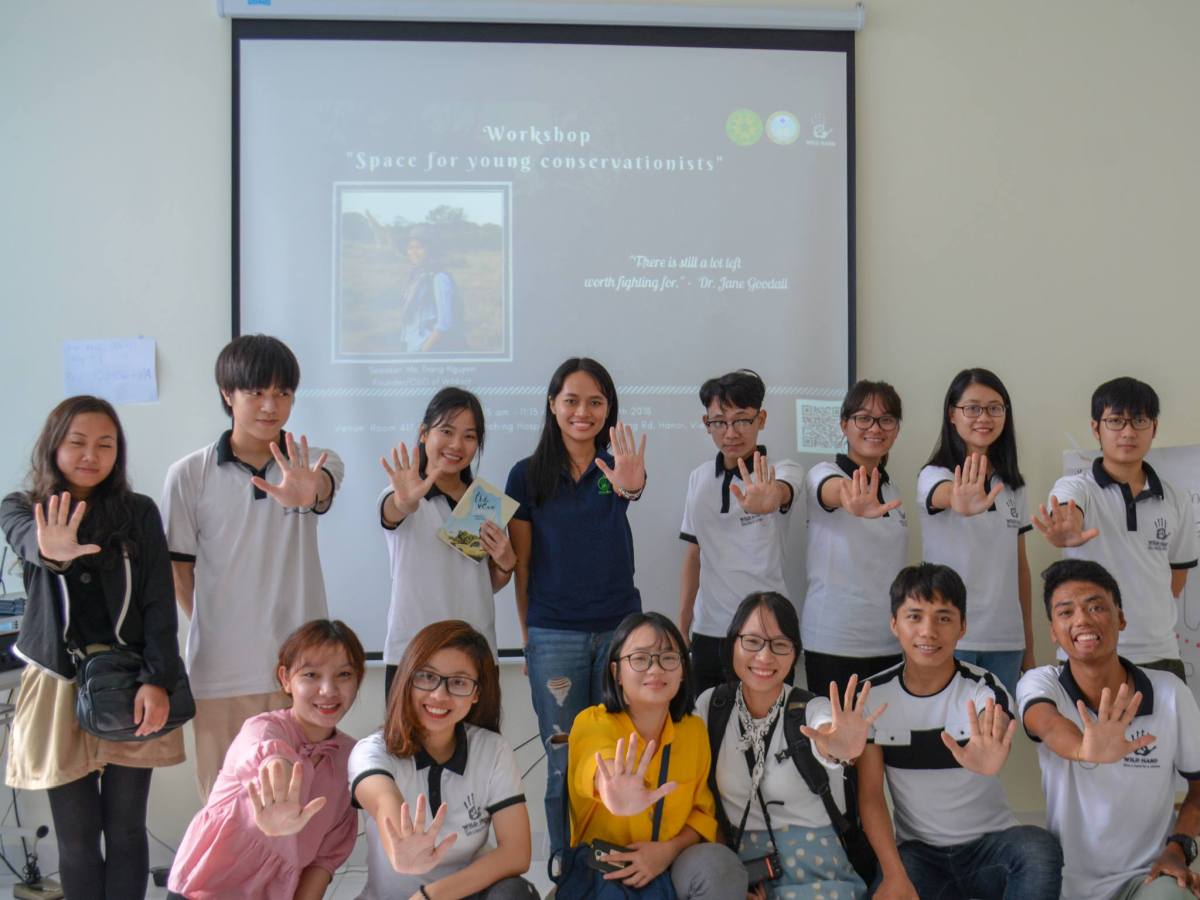
That’s why we focus so strongly on education and capacity building. And it’s also why we are pursuing the development of Vietnam’s first Master’s degree in biodiversity conservation. The goal is not just to create another academic programme, but to build a generation of conservationists who are professionally trained, practically equipped, and deeply connected to local realities. People who understand not only ecology, but also community engagement, policy, communication, and fundraising; because conservation today requires all of these skills.
We want to move from short-term, project-based impact to long-term, system-level change. And that can only happen when there is a strong, capable workforce leading the work from within the country.
Investing in people means investing in continuity. It means that conservation doesn’t stop when a project ends, it grows, adapts, and continues, led by those who understand the context best.
Have you seen a shift in attitudes toward wildlife conservation in Vietnam over the years?
When I first started, conservation was not really seen as a career path in Vietnam. Young people rarely considered it, and families often didn’t understand what it meant or whether it could provide a stable future.
But today, that’s changing. More and more young people are actively asking how they can work in conservation—what to study, where to gain experience, how to build a career in this field. And what’s even more encouraging is that parents are now reaching out as well, emailing us, asking how they can support their children to follow this path. That’s a big shift in mindset.
We’re also seeing changes in attitudes toward wildlife itself. In many rural areas, younger generations are less interested in hunting than before, and in cities, there’s growing awareness around the impact of consuming wildlife products.
It’s not perfect, and challenges remain; but the direction is clearly changing. I think this shift comes from a combination of better education, more exposure, and stronger public conversations around conservation.
How can individuals around the world contribute meaningfully to wildlife protection?
Every action matters. You do not have to do something huge to contribute to conservation. Simply refusing to look away or stay silent already makes a difference. Even small actions – like not littering, refusing to buy wildlife products, or speaking up when you see animals being harmed – help protect habitats and wildlife. Conservation begins with the choices we make every day.

What advice would you give to young women who want to pursue a career in conservation or environmental leadership?
You do not need to become “like a man” to work in conservation. And you do not need to spend your life trying to fit other expectations of what a woman should be.
If this is the work you care about, then do it. People will always have opinions about how you look, what you wear, or whether you are “strong enough.” Let them talk.
Just keep doing the work you believe in. Because we are all contributing equally to protecting nature.
Photo credit: Dr. Trang Nguyen / WildAct